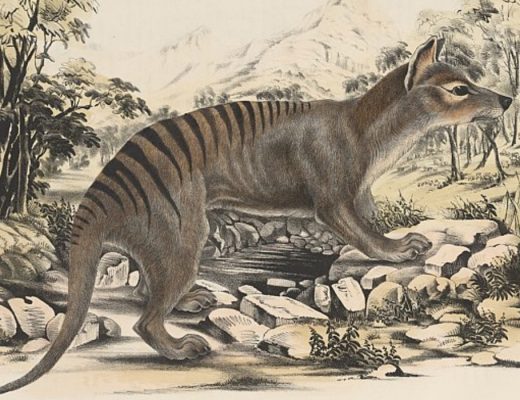
Reports of the Tasmanian tiger, a creature believed to have gone extinct in the 1930s, continue in parts of Tasmania according to newly released documents.






The Future Is Now
Are there animal species that remain undiscovered on our planet? From reports of mystery hominids and other land-dwelling creatures to unidentified aquatic beasts and avian species, here we weigh the evidence for claims of encounters with unrecognized animals.
Reports of the Tasmanian tiger, a creature believed to have gone extinct in the 1930s, continue in parts of Tasmania according to newly released documents.

Scientists out of New Zealand have finally announced the results of an exhaustive DNA study which may point to a novel theory about the legendary Loch Ness Monster.
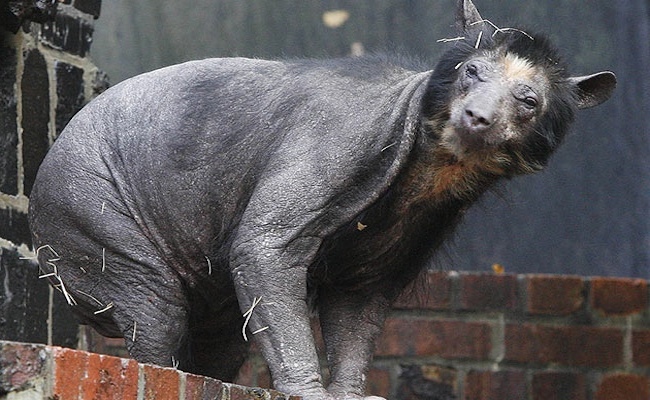
Malaysian oil workers recently claimed to have been ‘attacked’ by a mystery beast… but new evidence suggests the ‘beast’ may have actually been the victim.
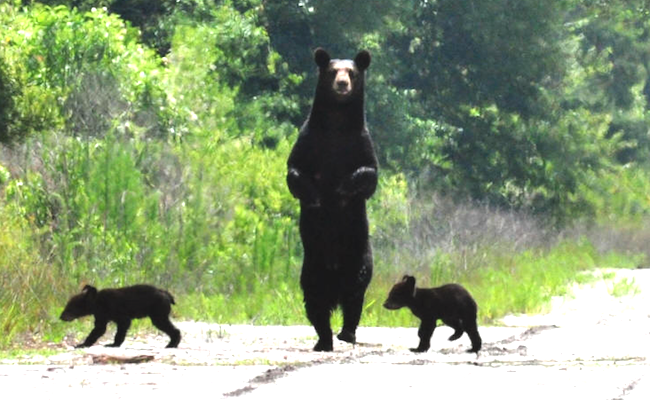
This strange video showing an unlikely biped has us thinking about Bigfoot… what else can we learn from watching it?
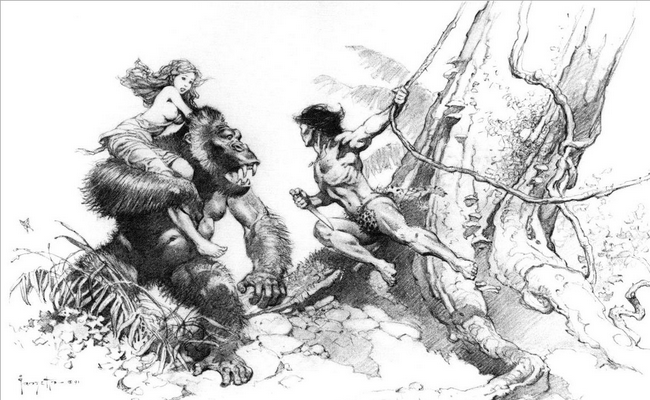
Exploring potential human and Sasquatch relations may show its remarkable similarity to hybridization between species in early human pre-history.

The Dyatlov Pass incident has made headlines following the airing of Discovery’s latest prime-time programming that appears to blend fact with liberal amounts of fantasy.

Does an image that has surfaced from the turn of the last century show a “dead Bigfoot?” Micah has encountered this one before, but under rather unusual circumstances…
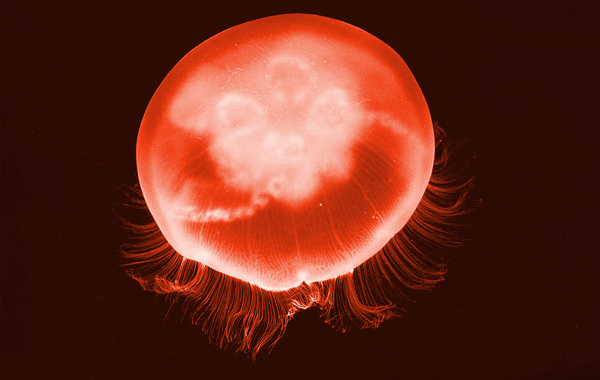
Bizarre footage out of Lithuania shows an unusual wintertime occurrence as an odd, reddish “jellyfish” can be seen within a frozen pond… what is it?
While I am generally most active in the UFO research community these days, my publishers at New Page Books recently asked nonetheless if I would […] Read More
Cephalopods represent what are, arguably, one of our planet’s weirdest classes of creatures. But if these often ink-shooting, beaked, tentacled and surprisingly
By Matthew Oakley It seems that Wolfson College, at the University of Oxford, is taking a new step forward into the realm of cryptozoology.
The popular crypto-website Bigfoot Evidence may have come across some interesting and very exclusive data for the cryptozoology community regarding Bigfoot. According to an inside […] Read More
What is it we’re actually seeing in the footage above, purported to show a “wild person” captured in Russia? I first learned about the footage […] Read More
http://media.blubrry.com/gralienreport/www.gralienreport.com/audio/TGR7-17-11.mp3Podcast: Play in new window | DownloadSubscribe: Email | RSS | More The so-called “humanzee” (sometimes also called a “chuman”) refers to the hypothetical offspring […] Read More
http://media.blubrry.com/gralienreport/www.gralienreport.com/audio/TGR7-17-11.mp3Podcast: Play in new window | DownloadSubscribe: Email | RSS | More On this week’s edition of The Gralien Podcast, we discussed sea serpents, and […] Read More