
Why was there a giant clam shell floating in the Mississippi River near Minneapolis, Minnesota?






The Future Is Now
On occasion, the random strangeness in our world is referred to as “Fortean phenomenon,” in reference to Charles Fort, the man who popularized the chronicling of such oddities in the early 20th century.
Why was there a giant clam shell floating in the Mississippi River near Minneapolis, Minnesota?
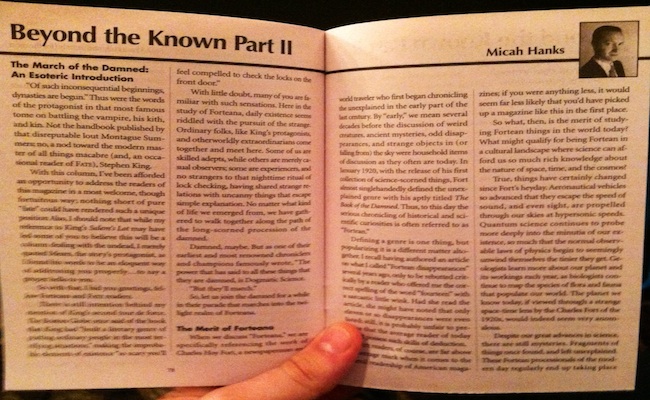
Micah has a new column in FATE Magazine… and even though this is it’s first edition, there is a surprising bit of history behind this new regular FATE feature.

A Yorkshire man tells of a strange and unsettling experience his mother relates to him, regarding a large being she and another man observed.
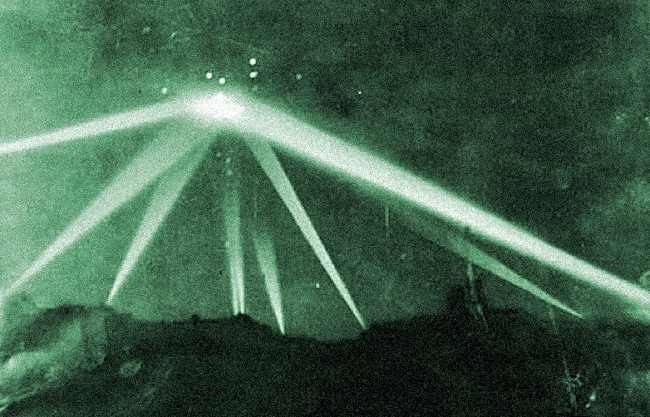
Sources around the web have long attributed “The Battle of Los Angeles” to a UFO, and some have gone so far as to assert it was butterfly-like… but how credible is this information?
Recent news from Puerto Rico has divulged a sudden rash of reports of the alleged “chupacabra” creature, as reported recently by Jos
Recently, Australian researcher
In old Indian traditions throughout parts of Eurasia, there is a belief that the mongoose is unique among other creatures of the wild. The reason […] Read More
At the Gralien Report, we’re music lovers, and unlike a lot of other mediums that deal with fringe material and the unexplained, I try not […] Read More
Brad Steiger sends us the video above, which features an “attack” by a Golden Eagle in Montreal, Canada. “Since I was a kid, I have […] Read More
Let’s keep this one short and simple: Earlier today, I uploaded this comment to my Facebook page, with a brief observation regarding the apparent “Zombie […] Read More
The mystery surrounding alleged cases of spontaneous human combustion have riddled researchers for decades… and now, a similar incident reported out of San Clemente states […] Read More
Upon first entering my home, many will find my selection of art rather strange, or even lacking a general theme or genre. Among the paintings […] Read More
Hit-and-run automobile accidents are reported every day in the U.S., involving circumstances where one motorist (usually at fault for a collision) decides to flee the […] Read More
According to a recent article featured at the Science Daily website, there are links between those who have musical abilities and reading ability. “New research […] Read More
One of the more terrifying and strange aspects of Forteana and the unexplained ongoing today relates to the stories of so-called “Black Eyed Children.” Indeed, […] Read More
Read aloud, the title of this post may seem slightly provocative, and upon further reading, for many it may constitute outright silliness, as what we’re […] Read More