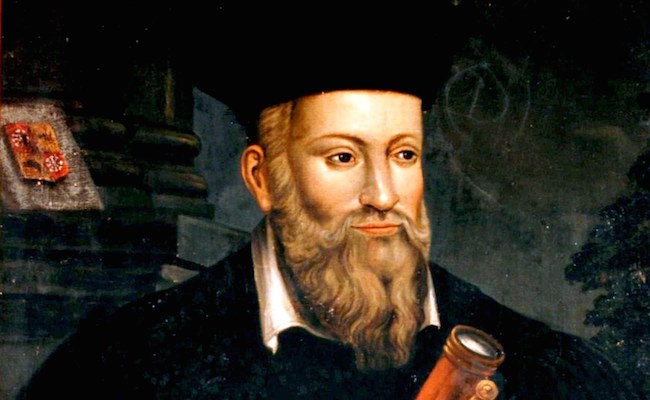
Our year’s end predictions from Gralien Report readers include projections about AI, financial happenings, and the potential for asteroid impacts in the coming year.






The Future Is Now
Our year’s end predictions from Gralien Report readers include projections about AI, financial happenings, and the potential for asteroid impacts in the coming year.
If this headline sounds more to you like the plot of a sci-fi movie than real life, that’s because it is…
The belief that a mysterious “life force” exists within all living beings has been a persistent motif in cultures throughout the world. Eastern energy workers […] Read More
* Tune in to listen to The Gralien Report live Tuesday evening at 8 PM ET (click here). The phenomenon known as stigmata is the […] Read More
A recent article appearing in the Salt Lake City area Desert Times that those who identify with religious beliefs are less likely to have interest […] Read More
In my book Magic, Mysticism and the Molecule, I spent a good bit of time detailing various methods cultures around the world have used to […] Read More