



The Search for Earth’s Aliens: a Waste of Time and Money?
Yesterday many news outlets chose to carry the story regarding internationally acclaimed theoretical physicist and cosmologist Paul Davies of Arizona State University, who (according to press releases) challenged the orthodox view
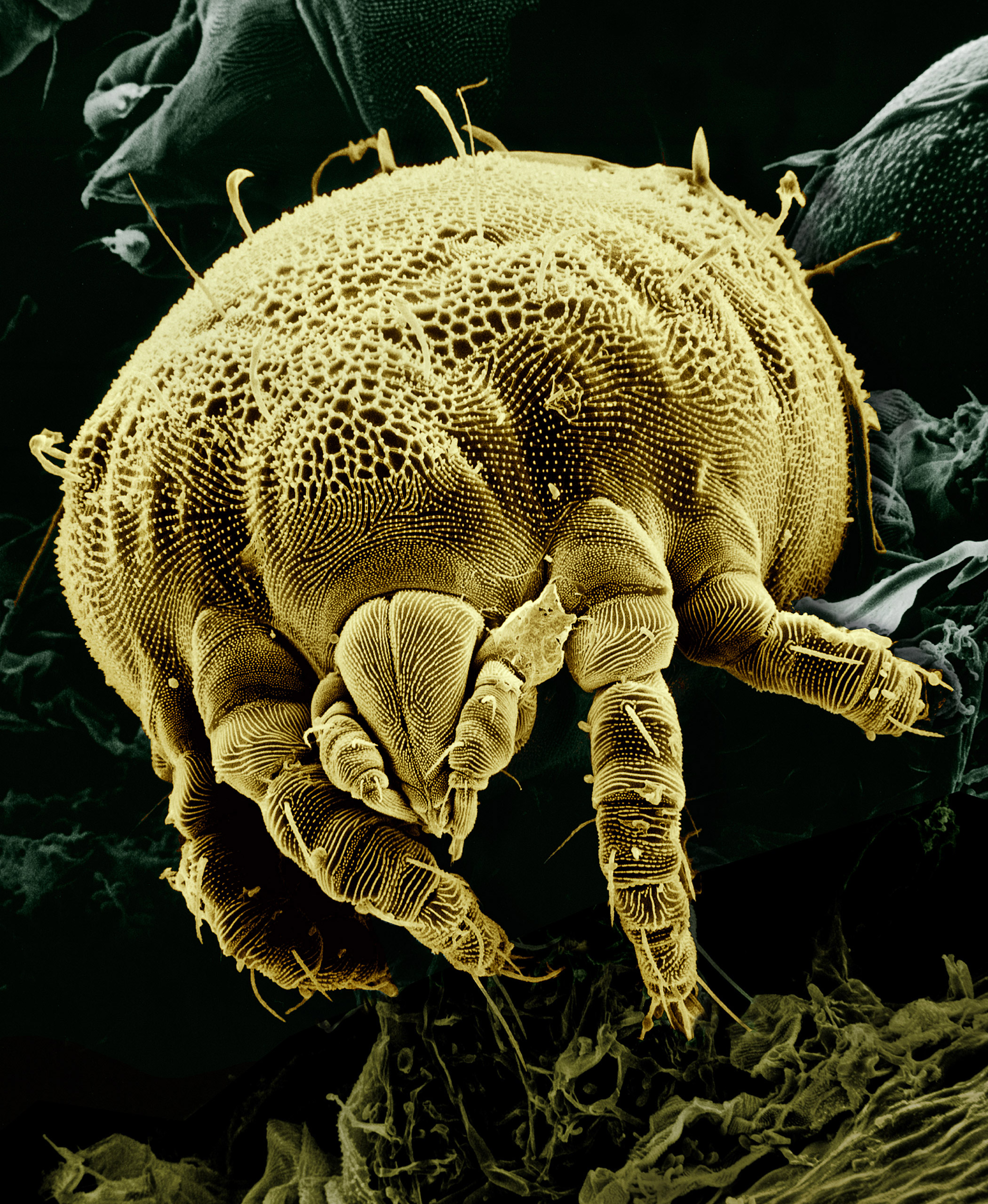
that there is only one form of life on Earth in a lecture titled “Shadow Life: Life As We Don’t Yet Know It.” Davies presented his case for “Earthbound Aliens” to the annual meeting of the American Association for the Advancement of Science, during a portion of the symposium titled “Weird Life.”
Though Davies calls his hypothetical lifeforms “shadow life”, this has little to do with anything related to the kinds of “shadow people” often described years ago by Art Bell on Coast to Coast AM. Instead, Davies is searching for bizarre life forms which may have differences so minute from those known to science that they could have managed to “fly below the radar”, so to speak, sporting such things as arsenic-based organisms. Arsenic, though poisonous to most living things, is deadly because it so easily replaces phosphorous in our chemistry… but what if some form of simple organism had managed to spring to life from the stuff? Might phosphorous, to these creatures, act much like arsenic would to other organisms?
“In the microbial realm some of those little organisms might have an alternative biochemistry that might represent a second or subsequent genesis event,” Davies says. “We can imagine a series of stop-go experiments in which life was formed and annihilated again and again, and it’s entirely possible that more than one form was left. Then there’s the issue of whether it could have survived to today, and formed a sort of shadow biosphere of all things that are not like the life we know.”
On one popular website that carried the story, I couldn’t help but notice a particular comment left by a man identifying himself as “Jimmy C”. Jimmy suggested that Davies’ presentation is “Just a pitch for more funding on uselessness, while millions of human beings – the lifeform that matters – are dying of starvation and a lack of basic necessities!” This is reminiscent of the comment made by Barack Obama during the Democratic debates, when the late Tim Russert asked him the following question: “The three astronauts of Apollo 11 that went to the moon back in 1969 all said they believe there is life beyond Earth. Do you agree?” Obama’s reply was “I don’t know, and I don’t presume to know. What I do know is that there is life here on Earth, and that we’re not attending to life here on Earth. We’re not taking care of kids who are alive, and unfortunately, are not getting health care. We’re not taking care of senior citizens, who are alive, and are seeing their heating prices go up. So as president, those are the people I will be attending to first.”
Of course, Obama’s reversal of the question was a brilliant way for a politician to revert the question into an oportunity to address “issues” during the debate, butI can’t help but feel that, in the long run, the scope of the argument seems to miss the mark. Who is to say, considering some amount of funding were to go towards the search for “alien” life here on Earth as Davies suggests, that we may not learn things about these organisms that could help revolutionize technology? What if, for instance, microbial life forms were discovered which, by nature of their genetic structure, were able to feed on other organisms which cause sickness in humans?
This is a rather simplistic example which illustrates how such a discovery might change the present health care system, but the possibilities are endless. In the absence of knowing of their existence, as well as their potential benefits, is it really fair to say that searching for alternative forms of life on our planet is a waste of time and money? What else might we learn from the discovery of such “shadow life” here on Earth?
No Comments »
No comments yet.
RSS feed for comments on this post. TrackBack URL


